
0%

China has become a major manufacturing base for Modular Container Buildings, serving construction, education, healthcare, accommodation, and emergency housing projects. Its strongest manufacturers combine factory production with practical site experience. They design steel frames, insulated panels, electrical systems, plumbing, and interior finishes as one coordinated package.

The best suppliers are not always the largest. A reliable manufacturer should show completed projects, verified material specifications, quality-control records, and clear installation procedures. Factory photographs help, but they do not prove long-term performance. Ask about welding standards, corrosion protection, fire resistance, thermal insulation, wind loads, and replacement parts. Small details matter. A poorly sealed corner can cause water damage within one rainy season.

Dr. Ryan E. Smith, a recognized modular construction researcher, has stated, “Modular construction is not a product, but a process.” This idea is useful when comparing China’s top manufacturers. The process includes engineering, procurement, factory assembly, transportation, site preparation, and commissioning. A supplier may produce attractive modules yet struggle with delivery coordination or local compliance. That weakness should remain visible.

This guide examines leading Chinese manufacturers through a practical and evidence-based lens. It considers production capacity, customization, certifications, project experience, communication, and after-sales support. No ranking is perfect. Supplier information can change quickly. Buyers should still request current documents and inspect samples before signing contracts. The goal is not to praise every factory. It is to identify manufacturers that can turn standardized modules into safe, durable, and usable buildings.
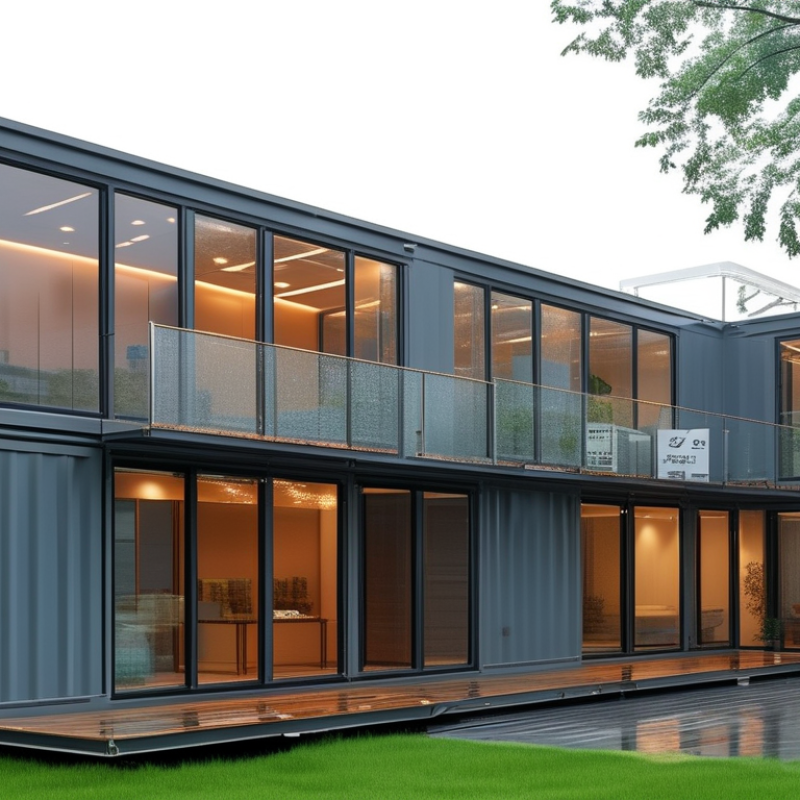
China Top Modular Container Buildings Manufacturers?

What Are Modular Container Buildings?

Modular container buildings are prefabricated structures made from steel modules, often designed around standard shipping-container dimensions. Unlike ordinary site construction, most work happens in a controlled factory. Workers install wall panels, insulation, windows, wiring, plumbing, and flooring before delivery. The finished modules are then transported and connected on prepared foundations.

These buildings can serve as offices, classrooms, clinics, accommodation units, or temporary project facilities. Their main advantage is speed. A factory team can repeat tested installation steps, while site crews prepare foundations and utility connections. However, “fast” does not mean effortless. Poor ground preparation, limited access, or incorrect measurements can delay assembly. A reliable manufacturer should provide structural calculations, fire-safety information, material specifications, and clear installation instructions. Buyers should also verify local building requirements before ordering. Standards differ. That detail is easy to miss.

Tips: Check the module’s insulation value, ventilation design, drainage points, and electrical capacity. Ask for drawings showing transport dimensions and connection locations. Visit a completed project if possible. Real performance may differ from a brochure. Leave space for maintenance access, even when the building appears compact.

How Are Modular Container Buildings Designed and Manufactured in China?

In China, modular container buildings are designed as engineered systems, not simply stacked steel boxes. The process usually begins with site surveys, room schedules, climate data, and transport limits. Designers select structural frames, wall panels, insulation, doors, windows, and service routes. Wind, snow, seismic conditions, humidity, and fire performance influence every connection. Qualified engineers coordinate drawings with regional construction requirements. Digital models help prevent clashes between plumbing, wiring, ventilation, and lifting points. Details matter. A few centimeters can affect factory assembly and site alignment.

Manufacturing normally starts with cutting and welding the steel frame under controlled workshop conditions. Workers check dimensions before applying corrosion protection and installing floors, walls, and roofs. Insulation thickness is matched to the intended climate, although budget pressure can encourage compromises. Factory technicians install lighting, wiring, sanitary fittings, and other services before dispatch. Inspection records should cover weld quality, coating thickness, panel joints, water resistance, and electrical safety. Photographs and measurement logs make these checks easier to verify. Experienced teams still revisit drawings when actual materials differ slightly.

Before shipment, teams often conduct trial assembly or dry fitting for complex modules. Each unit is protected, labeled, and loaded according to lifting and transport plans. At the site, crews prepare foundations, connect modules, seal joints, and test utilities. The process is efficient, but not flawless. Unexpected ground conditions, rushed communication, or overlooked thermal bridges can create expensive corrections. Careful feedback from installers can improve the next production cycle.

What Types of Modular Container Buildings Do Chinese Manufacturers Offer?

Chinese manufacturers offer more than basic shipping-container rooms. Their modular container buildings include flat-pack cabins, detachable units, expandable homes, and welded steel modules. Common applications include worker dormitories, site offices, classrooms, clinics, guard rooms, kitchens, toilets, and temporary retail spaces. Some factories also combine several modules into two-storey accommodation blocks or larger public facilities.

Grand View Research estimated the global modular construction market at about USD 91.8 billion in 2023. Its report also expects steady growth through 2030. McKinsey & Company reported that modular construction can reduce project schedules by 20% to 50%, when design and factory production are coordinated well. In practice, Chinese suppliers often use galvanized steel frames, insulated sandwich panels, fire-rated boards, PVC flooring, and prefabricated electrical systems. However, lower cost does not always mean better value. Thin panels, weak door hardware, or poor drainage can create problems after installation.

Tips: Ask for a complete material list, wind-load calculations, fire-performance documents, and installation drawings. Check insulation thickness for the target climate. Request photographs from completed projects, not only factory samples. A realistic inspection should also examine welds, roof joints, floor levels, and water seepage. This step is easy to skip, but it often reveals the real quality.

How to Evaluate China’s Top Modular Container Building Manufacturers?

How to Evaluate China’s Top Modular Container Building Manufacturers?

Evaluating a modular container building manufacturer requires more than comparing prices. Start with factory experience, production capacity, and completed project records. Ask for site photos, structural drawings, and references from similar climates. A reliable manufacturer should explain steel grades, welding methods, insulation thickness, and roof drainage clearly. Factory visits can reveal useful details, including material storage and quality checks. Do not trust polished brochures alone.

Tips: Request a detailed quotation. Check every specification. Confirm delivery responsibilities, installation support, warranty terms, and replacement procedures. Ask whether the design meets your local building codes and wind requirements. Independent inspections before shipment can prevent costly surprises. Small details matter, such as door seals, floor loading, and electrical layouts.

Professional evaluation also includes communication. Engineers should answer technical questions with drawings or test data, not vague promises. Review sample joints, coating thickness, fire-resistant materials, and moisture protection. A strong supplier normally provides inspection records and responds quickly when changes occur. Still, no supplier is perfect. I have seen attractive designs fail because drainage was overlooked. Another common weakness is unclear responsibility after delivery. A manufacturer may offer excellent construction but limited local installation support. Compare practical performance, not only factory appearance or the lowest bid. That judgment takes time.

China Top Modular Container Buildings Manufacturers? - How to Evaluate China’s Top Modular Container Building Manufacturers?

Evaluation Dimension What to Evaluate Recommended Weight Objective Benchmark or Reference Point Documents or Evidence to Request Suggested Score
Structural Design Capability Ability to design modular units for the project location, occupancy type, wind, snow, seismic, lifting, transport, and foundation conditions. 15% Design calculations should be prepared for the applicable local building code and verified by a qualified structural engineer. Stamped drawings, structural calculations, design criteria, load assumptions, and engineering responsibility statement. 0–10
Compliance and Certification Compliance with the destination market’s building, electrical, fire, energy, accessibility, and occupational safety requirements. 15% Certificates must be valid, traceable, issued for the relevant legal entity or product, and applicable to the intended market. Quality certificates, test reports, product declarations, fire-rating reports, electrical test records, and audit reports. 0–10
Manufacturing Quality Control Control of incoming materials, welding, dimensional accuracy, corrosion protection, insulation installation, sealing, and final inspection. 15% A documented inspection and test plan should define hold points, acceptance criteria, nonconformance handling, and traceability. Inspection and test plan, welding procedures, material certificates, inspection checklists, calibration records, and corrective-action logs. 0–10
Material and Component Traceability Traceability of structural steel, panels, insulation, doors, windows, electrical components, plumbing fixtures, and coatings. 10% Materials should be linked to purchase records, batch information, approved specifications, and inspection results. Bills of materials, approved vendor lists, batch records, material test certificates, and substitution procedures. 0–10
Fire and Thermal Performance Fire resistance, reaction-to-fire classification, smoke control, thermal insulation, condensation risk, and energy performance. 12% Performance must be assessed against the destination jurisdiction’s fire and energy requirements; generic claims are insufficient. Independent fire-test reports, U-value calculations, insulation specifications, condensation analysis, and approved wall or roof assemblies. 0–10
Customization and Engineering Integration Capability to integrate layouts, MEP services, accessibility features, furniture, equipment, foundations, and site connections. 10% The supplier should provide coordinated architectural, structural, mechanical, electrical, and plumbing information before production. Shop drawings, BIM or coordinated CAD files, interface schedules, sample layouts, and design-change procedure. 0–10
Delivery, Packaging, and Installation Planning for factory completion, packing, container loading, shipping, unloading, crane lifting, assembly, and commissioning. 10% The schedule should identify manufacturing lead time, inspection milestones, shipping responsibilities, site prerequisites, and installation duration. Production schedule, packing list, lifting plan, installation method statement, shipping terms, and commissioning checklist. 0–10
Warranty and After-Sales Support Clarity of warranty coverage, exclusions, spare parts, technical support, defect response, and responsibility after installation. 8% Warranty terms should distinguish structural, waterproofing, surface-finish, equipment, and consumable components. Signed warranty terms, service-level commitments, spare-parts list, maintenance manuals, and escalation contacts. 0–10
Commercial Transparency Completeness of the quotation, scope boundaries, exclusions, payment terms, logistics costs, installation costs, and change-order rules. 5% A comparable quotation should separate factory supply, transport, duties, site works, installation, testing, and taxes. Detailed quotation, technical specification, commercial terms, payment schedule, exclusions, and total-cost breakdown. 0–10
Total Evaluation Weight 100% Use the weighted score to compare shortlisted suppliers objectively.
Scoring Method: Score each dimension from 0 to 10, multiply the score by the recommended weight, and add the results. A higher score indicates stronger documented capability, but final approval should also depend on project-specific code compliance, site conditions, independent inspections, and contract terms.

What Are the Costs, Standards, and Delivery Processes?

China’s leading modular container building manufacturers are judged by more than factory size. Their cost control, documentation, and site support matter just as much. In recent project reviews, basic units often cost between 250 and 650 USD per square meter. This range excludes land preparation, permits, transport, and local installation. Higher prices usually reflect stronger insulation, fire-rated panels, sanitary systems, and customized layouts. Cheap quotations can become expensive later.

Standards should be checked before signing technical drawings. Ask for material certificates, structural calculations, welding records, and electrical test reports. Manufacturers may follow Chinese GB standards, ISO quality procedures, and destination-country requirements. Fire resistance deserves special attention. So does thermal performance. A container shell can feel cold in winter and dangerously hot in summer without suitable insulation. One mistake is accepting a generic compliance statement. Request document numbers and test dates instead.

Delivery usually begins with design confirmation, shop drawings, and a production deposit. Factory fabrication may take three to eight weeks, depending on quantity and customization. Units then undergo inspection, packing, and container loading. Sea freight, customs clearance, foundation work, and crane access can change the schedule. Leave time for corrections. I have seen projects delayed because door positions were approved too quickly. A factory inspection helps, but it cannot replace local code review. The final decision should compare total delivered cost, not the factory price alone.

FAQS

What are modular container buildings?

They are factory-made steel structures based on standard container dimensions. Workers install insulation, windows, wiring, plumbing, and flooring before delivery. The modules arrive ready for connection. Site work remains necessary.

What purposes can modular container buildings serve?

They can become offices, classrooms, clinics, dormitories, kitchens, toilets, or guard rooms. Several modules may form larger facilities or two-storey accommodation blocks. Their use depends on local requirements and internal layouts. Small spaces need careful planning.

How quickly can modular container buildings be completed?

Factory production can shorten schedules when design and site preparation proceed together. Some projects may reduce construction time by 20% to 50%. However, transport delays, poor foundations, or incorrect measurements can stop assembly. Fast is not effortless.

What materials are commonly used in these buildings?

Typical materials include galvanized steel frames and insulated sandwich panels. Fire-rated boards, PVC flooring, and prefabricated electrical systems are also common. Material thickness strongly affects comfort and durability. Cheap materials can become expensive later.

What should buyers check before ordering?

Check insulation value, ventilation, drainage points, and electrical capacity. Request transport drawings and exact connection locations. Confirm wind-load calculations, fire-performance documents, and structural information. Do not rely on appearance alone.

How can buyers evaluate a manufacturer’s quality?

Review completed projects in similar climates. Ask for weld photographs, roof-joint details, inspection records, and material lists. A factory visit may reveal storage problems or weak quality controls. Brochures are not proof.

What installation problems can occur?

Uneven foundations may create floor gaps or misaligned doors. Limited access can complicate crane placement and module transport. Poor roof drainage may cause water seepage after heavy rain. I would inspect drainage twice.

What support should a manufacturer provide after delivery?

Confirm installation instructions, delivery responsibilities, warranty terms, and replacement procedures. Ask who handles problems after the modules arrive. Some suppliers build well but offer limited local support. That responsibility must be written clearly.

Is the lowest quotation usually the best choice?

Not necessarily. A low price may hide thin panels, weak door hardware, or inadequate drainage. Compare insulation, steel quality, floor loading, electrical layouts, and support services. The cheapest option can create maintenance costs.

Conclusion

Modular Container Buildings are prefabricated structures created by adapting standardized steel container units into efficient, flexible spaces for housing, offices, classrooms, retail areas, accommodation, and other practical uses. In China, manufacturers typically combine digital design, structural engineering, factory-based fabrication, insulation installation, electrical and plumbing integration, and quality inspections to produce units that can be assembled quickly on site. Their product ranges may include single-room modules, multi-story buildings, expandable units, portable offices, worker accommodation, and customized project solutions.

When evaluating China’s top modular container building manufacturers, buyers should review design capability, material quality, production experience, safety procedures, customization options, certifications, communication, and after-sales support. Costs depend on size, specifications, insulation, interior finishes, transportation, installation, and project location. Buyers should also confirm compliance with applicable building, fire, electrical, and environmental standards. A clear delivery process should cover technical drawings, sample approval, manufacturing, inspection, packaging, shipment, site preparation, installation, and final acceptance.

Evelyn

Evelyn

Evelyn is a highly experienced marketing professional dedicated to helping businesses understand products, market trends, and practical solutions that create measurable value. With a strong command of the company’s product portfolio, she combines industry knowledge, customer insight, and clear......